Health awareness

Learn more about invasive pneumococcal disease and how infection spreads

Invasive pneumococcal disease can lead to a number of serious consequences in children

October 25, 2024

Share this article

Facebook icon

.st0{fill:#00857C;} X icon

Linkedin icon

Email icon

baby being examined by a doctor

What is invasive pneumococcal disease?

Invasive pneumococcal disease (IPD) is an infection caused by a bacteria called Streptococcus pneumoniae. It can lead to a number of serious illnesses including pneumococcal bacteremia (an infection of the blood) and pneumococcal meningitis (an infection of the coverings of the brain and spinal cord). 

Children under the age of 2 and those with certain underlying medical conditions are particularly vulnerable to invasive pneumococcal disease, according to the Centers for Disease Control and Prevention (CDC). 

~100

different types of S. pneumoniae, called serotypes, exist; however, a smaller number are responsible for most cases of IPD in children

~1 in 4

cases of IPD in children under 5 years of age were caused by serotypes 3, 22F and 33F, according to a pooled analysis from 2018-2021

How does pneumococcal infection spread?

Pneumococcal bacteria can spread anywhere, anytime through close contact with respiratory secretions, like those produced from coughing or sneezing. Children can carry the bacteria in their nose or throat without demonstrating signs of illness. 

Pneumococcal infections are more common during winter and early spring when respiratory diseases are more prevalent.

What you can ask your pediatrician about pneumococcal infection:

  • Is my child at risk for invasive pneumococcal disease?
  • How could invasive pneumococcal disease harm my child?
  • What can I do to help reduce the risk of invasive pneumococcal disease for my child?

“There are steps people can take to be proactive about their family’s health. Parents should speak with their health care providers to learn more about invasive pneumococcal disease and the serious consequences it can cause.”

  • Dr. Ulrike Buchwald, scientific associate vice president, clinical research
Health awareness

Driving prostate cancer research forward

Our scientists are dedicated to advancing research for potential treatment options for people diagnosed with prostate cancer

September 4, 2024

Share this article

Facebook icon

.st0{fill:#00857C;} X icon

Linkedin icon

Email icon

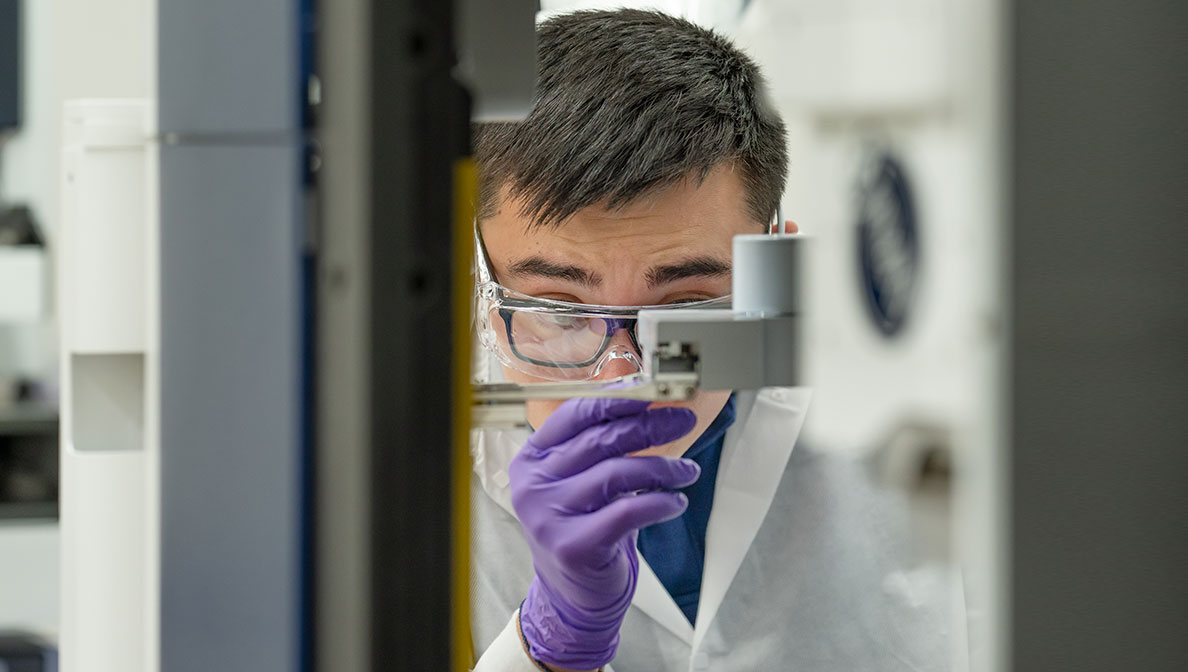
scientist wearing protective gear in lab

It’s estimated that nearly 1.5 million people assigned male at birth were diagnosed with prostate cancer in 2022 worldwide.

But these patients aren’t just a statistic or a number. They’re our partners, our parents, our children, our siblings and our friends. They’re our loved ones, fighting for better outcomes and a chance for the future. And that’s who we’re fighting for, too.

“Globally, someone is diagnosed with prostate cancer nearly every minute. That’s why we’re working with urgency to advance research and provide potential treatment options for patients living with this disease.”

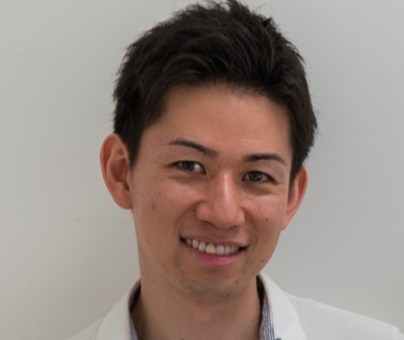
  • Dr. Kentaro Imai, distinguished scientist, oncology, prostate clinical research

The impact of prostate cancer on patients

Prostate cancer is the second most commonly diagnosed cancer and the fifth leading cause of cancer death in patients assigned male at birth worldwide. The average age at diagnosis is 66 years old. Prostate cancers is more likely to develop among those with African ancestry or a family history of the disease.

Prostate cancer can be genetic in other ways, too. Several inherited genetic mutations — such as those of the BRCA1 or BRCA2 genes — can increase prostate cancer risk. These types of genetic mutations, among others, can be identified through testing your tumor (also known as biomarker testing).

For those patients who are diagnosed with early stage prostate cancer, the prognosis is promising, with a five-year survival rate of nearly 100%. However, for patients with prostate cancer at an advanced stage, the outcomes can be dramatically different, and the five-year survival rate remains low.

“As with many cancers, patients with prostate cancer have the greatest chance of survival when their disease is detected early,” said Dr. Imai. “The prognosis for prostate cancer worsens as it spreads to other areas of the body, given that there are limited treatment options at that stage. It’s critical that we push forward to identify new options for these patients.”

Our commitment to prostate cancer research

Our science, coupled with new insights into the disease, continues to guide us as we pursue clinical advancements in prostate cancer.

Dr_KentaroImai

"Our scientists are working diligently each and every day in an effort to discover new solutions for patients with prostate cancer."

— Dr. Kentaro Imai

Distinguished scientist, oncology, prostate clinical research

Since the next breakthrough can come from anywhere or anyone, we regularly collaborate across the entire prostate cancer community, working with health care providers, other companies, academia and advocates to gain a deeper understanding and make progress for patients with prostate cancer.

“The fight against prostate cancer is constantly evolving, and therefore our approach to the disease must evolve, as well,” said Dr. Imai. “We’re committed to pushing boundaries in pursuit of breakthrough advances that have the potential to change the lives of patients living with prostate cancer.”

Health awareness

Understanding lung cancer: 5 essential things to know as a patient or caregiver

What to know about one of the most common types of cancer

August 21, 2024

Share this article

Facebook icon

.st0{fill:#00857C;} X icon

Linkedin icon

Email icon

lung and stethoscope icon

Lung cancer is one of the most commonly diagnosed cancers worldwide. In 2022, it was estimated that more than 2.4 million people globally were diagnosed with lung cancer.

Lung cancer is also the leading cause of cancer death worldwide. Nearly one-in-five (19%) cancer-related deaths were estimated to result from the disease worldwide in 2022.

Despite how common lung cancer is and its high mortality rates, there are still many misconceptions about the disease. Having accurate information is a critical step in the fight against lung cancer.

Our company is working for these patients and their families by advancing research and fostering greater awareness and understanding of the disease.

Here are five facts about lung cancer that we think patients or caregivers need to know.

01.

Every person with lung cancer deserves compassion and support.

People with lung cancer can face social stigma because they may have smoked. But the truth is, there’s no room for blame. People with lung cancer are worthy of all the compassion and support their families, health care teams and the wider cancer community can provide to help them stand against this disease.

Caregiver holding patient's hand

02.

It takes a village to navigate life with lung cancer.

When coping with a lung cancer diagnosis, it’s important to build a circle of support that includes the oncologist, health care teams, family and friends.

Connecting with others can provide a sense of support and comfort to help patients through everything that goes into managing this disease.

03.

There’s no one type of person who develops lung cancer.

Lung cancer strikes both men and women. While it is mostly diagnosed in older people, younger people can develop the disease. In fact, in 2022, more than 312,000 cases of lung cancer were estimated to be diagnosed worldwide among people 54 and younger.

Crowded street downtown

04.

There are multiple risk factors for lung cancer, including some outside our control.

Smoking is the greatest risk factor for developing lung cancer, but there are others as well, including having a family history of the disease and exposure to certain environmental substances. Worldwide, it is estimated that 10-25% of patients with lung cancer have never smoked with even higher proportions based on ethnicity and geographic region.

Environmental risks include:

  • Exposure to radon gas.
  • Exposure to occupational carcinogens, such as asbestos.
  • Exposure to outdoor air pollution, such as second-hand smoke, arsenic, chromium and nickel.

05.

Scientific advances are helping to make an impact in treating lung cancer.

Over the last 20 years, significant strides have been made to improve patient outcomes in the treatment of lung cancer. Key advancements include the development of targeted therapies, the incorporation of biomarker testing into standard practice and the progress of research that may offer promising breakthroughs for patients with difficult-to-treat tumor types.

Health awareness

Why you shouldn’t postpone cancer screenings

Our company teamed up with the American Cancer Society to raise awareness on cancer screenings and help support access for everyone

August 15, 2024

Share this article

Facebook icon

.st0{fill:#00857C;} X icon

Linkedin icon

Email icon

doctor and patient having a conversation

Fear is a powerful emotion, especially when it comes to cancer.

Fear of what a screening test might discover, fear of potential discomfort and fear of the unknown kept Terry Craft from getting a regular cancer screening.

He decided to see a doctor after an intense and painful episode of constipation, an appointment he says he should have had 10 years earlier. Craft was 47 years old when he was diagnosed with stage 3 colon cancer.

“My wife actually wanted me to have a colonoscopy when I was in my late 30s because I had a little bout and I said, ‘No, I’m not doing that,’” says Craft.

Terry Craft

“I didn’t get screened because I was afraid of it. I just didn’t want to know if there was something that might be serious or life-threatening. It was a fear factor for me.”

  • Terry Craft
    Colon cancer survivor

He says his doctors told him his tumor had potentially been growing ever since that experience in his 30s.

“Had I gone for a simple screening 10 years prior I might have, as I say, ‘nipped it in the bud’ and it might have just been a rogue polyp, who knows,” says Craft. “But because I didn’t, I had to go through a lot and it wasn’t just me — when cancer affects one member of a family, it affects everyone.”

“Due to pandemic-related delays in screening for breast, cervical, colorectal and lung cancers, many cancers could be going undiagnosed and untreated and may advance to later stages and be more difficult to treat,” says Laura Makaroff, senior vice president of prevention and early detection at American Cancer Society. “We foresee that those reductions in health care access and cancer screening will result in a short-term drop in cancer diagnoses and a later corresponding increase in late-stage diagnoses and potentially preventable deaths. “

Craft is in remission today, and he makes it a point to tell others just how important cancer screenings are, no matter what the results might be.

“It’s OK to understand what’s going on,” says Craft. “You want to know, don’t hide from it. If you hide from it, the outcome might not be what I experienced. It could be a deadly outcome.”

Early detection matters

Darleen Alston didn’t have health insurance when she was diagnosed with breast cancer in 2019. She says if it wasn’t for the free mammogram that she received through a cancer screening program, it “could have been months” before she knew she had cancer.

Darlene Alston

“I can say that it [screening] saves lives because it saved mine.”

  • Darleen Alston
    Breast cancer survivor

While many people face different kinds of barriers to getting the medical care they need, having access to preventative health screenings shouldn’t be one of them.

“I tell everybody, go get your mammogram. And if you can’t afford it, go to the screening. They’ll do it for free,” says Alston. “You’re not going to lose anything by going. You’re going to lose your life, maybe, if you don’t go.”

Preventative care is for everyone

There are cancer screening resources available to help people who are uninsured or underinsured find low-cost or free cancer screenings.

To help these efforts and improve cancer screening rates, Merck teamed up with the American Cancer Society (ACS) and their Get Screened campaign.

Our company, along with other sponsors, joined ACS in its goal to raise $30 million for a national initiative to help support access to recommended cancer screenings. The initiative includes collaborations with key stakeholders, including state and local health systems, to implement evidence-based screening interventions and public policy solutions that may benefit all.

“It’s important to ensure access for everyone to recommended cancer screenings to reduce screening disparities and unnecessary cancer deaths,” says Makaroff. “During the pandemic, we know that disparities in cancer screenings increased for people with greater social or economic barriers. Through our Get Screened campaign, the American Cancer Society is working to increase regular screening rates for everyone to help save more lives.”

Health awareness

HPV and related cancers: What you need to know

Human papillomavirus (HPV) is a leading cause of certain types of cervical cancer and other cancers in men and women

August 15, 2024

Share this article

Facebook icon

.st0{fill:#00857C;} X icon

Linkedin icon

Email icon

young adults sitting on the steps of a building

What is human papillomavirus (HPV)?

Human papillomavirus (HPV) is the most common sexually transmitted infection (STI) in the U.S. There are many different types of HPV.

For most people, HPV clears on its own. But for the very few who do not clear the virus, it can cause certain cancers and other diseases in both men and women. Unfortunately, there’s no way to know who will or will not clear the virus.

What cancers and diseases can be caused by HPV?

icon of people connected in a circle

HPV can cause certain types of:

  • cervical cancers
  • anal cancers
  • vulvar cancers
  • vaginal cancers
  • head and neck cancers
  • genital warts

According to the U.S. Centers for Disease Control and Prevention (CDC), between 2016 and 2020, tens of thousands of people in the U.S. were diagnosed with certain HPV-related cancers each year.

The impact of HPV-related cancers

Between 2016 and 2020, CDC estimates:

icon
60-70%

of all oropharyngeal cancer (found in the back of the throat, including the base of the tongue and tonsils) may be caused by HPV

icon
~11,900

new HPV-related cervical cancer cases occur in the U.S. each year

“There are steps people can take to be proactive about their health. Men and women should speak with their health care providers to learn more about the link between HPV and certain cancers and diseases.”

— Mel Kohn, M.D., M.P.H., executive director of medical affairs, Merck

The World Health Organization’s movement towards cervical cancer elimination

According to the World Health Organization (WHO), cervical cancer is the fourth most frequent cancer in women globally. Important steps have been taken to achieve a world where fewer women are affected by cervical cancer, but more needs to be done.

In 2020, the World Health Assembly adopted the global strategy to accelerate the elimination of cervical cancer as a public health problem.

To help achieve this goal, the WHO provides guidance and tools to support countries in implementing strategies and addressing challenges associated with cervical cancer prevention.

Health awareness

Prostate cancer: stigma, early screening and support

A prostate cancer survivor and a caregiver and advocate want to inspire more people to talk about the disease

April 26, 2024

Share this article

Facebook icon

.st0{fill:#00857C;} X icon

Linkedin icon

Email icon

two people having conversation sitting across each other in dark room

Even after losing his father and grandfather to prostate cancer, Henry H. Washington III, Ph.D., was still shocked by his prostate cancer diagnosis after a routine screening. A retired Army Major and longtime athlete, Washington saw himself as the picture of health.

“After fighting for my country in the military and then to find out I have prostate cancer – how do I deal with that? It was a lot of emotions. I think as men we aren’t allowed to have emotions. We are taught that we need to be strong.”

  • Henry H. Washington III

Screening for prostate cancer is key in early detection

After skin cancer, prostate cancer is the second most common cancer for men in the U.S. Anyone who was born with a prostate can develop it. About 1 in 8 men will be diagnosed during their lifetime, and Black men are more likely to develop prostate cancer.

 In its early stages, prostate cancer can be difficult to identify because there are usually no symptoms.

Routine screening for those who are at risk can help detect prostate cancer early before it has spread. The greatest risk factor is age. Men over the age of 65 have the highest risk. Additional risk factors include inherited gene mutations and a family history of certain cancers.

Speaking out and supporting loved ones with prostate cancer

Courtney Bugler, president and CEO of ZERO Prostate Cancer who herself is a cancer survivor, said she was inspired to take on this role to support her father, who is living with the disease.

“There’s a stigma around prostate cancer and watching my dad made me want to shine a light on something that, quite honestly, I don’t think gets enough attention. After almost 20 years of him supporting me after my own diagnosis, it’s time for me to be there for him.”

  • Courtney Bugler
    CEO of ZERO Prostate Cancer

The stigma associated with prostate cancer can be attributed in part to the nature of the disease and its treatment disrupting normal urinary, bowel and sexual function, all of which can impact a patient’s body image and self-esteem. The thought of impaired sexual health, in particular, may even lead men to avoid screening for prostate cancer altogether.

Statistics show there’s still unease around prostate cancer diagnosis

A 2022 study of 200 metastatic prostate cancer patients, conducted by Merck and Cerner Enviza, found:

  • 58% of patients agree there’s a stigma around prostate cancer.
  • 39% didn’t share their feelings about having prostate cancer with loved ones because they felt they needed to “stay strong.”
  • More than a third felt uncomfortable, embarrassed or vulnerable talking to their loved ones (37%) or their doctor (38%) about emotional challenges.

Now cancer-free for a decade, Washington said he sees helping others as his purpose. He faces the potential unease head-on by educating others about prostate cancer, encouraging men to get checked early and working with men who have been diagnosed.

“Survivorship is not a linear experience; sometimes it’s two steps forward, five steps back,” said Washington. “The support I received from my friends, my support groups, my mother and my family is what gave me strength to educate others about prostate cancer.”

"Finding support and having people beside you who know what you're going through is what will help get you through.”

For more information about prostate cancer and access to helpful resources visit ZERO Prostate Cancer.

Health awareness

How we can strengthen vaccination programs and build vaccine confidence together

Two Merck leaders share how we’re working to help protect communities from vaccine-preventable illnesses

February 21, 2024

Share this article

Facebook icon

.st0{fill:#00857C;} X icon

Linkedin icon

Email icon

How we can strengthen vaccination programs and build vaccine confidence together

Vaccines are one of the most significant public health achievements in modern history, playing a vital role in helping to prevent certain infectious diseases and protect communities across the globe.

Unfortunately, the COVID-19 pandemic brought forth a new set of challenges in sustaining vaccination efforts for other preventable diseases — highlighting existing disparities and inequalities in access to health care and underscoring the urgent need for action.

In two op-eds for Devex, an independent news organization covering global development, Drew Otoo, Pharm.D., president of global vaccines, and Alfred Saah, M.D., executive director of scientific affairs, highlighted some of the ways we’re working to address these challenges at the global, national and local levels.

Collaborating to help increase health equity

Otoo said collaboration across sectors is key to building trust, enabling equity and establishing stronger, more resilient vaccination programs.

Drew Otoo

“Now more than ever, we have an opportunity to evaluate and strengthen our approach… Together, we can help create a more equitable future where vaccines are available to and accepted by all who can benefit from them.”

  • Drew Otoo, Pharm.D.
    President of global vaccines, Merck

Otoo shared examples of our work with local and global stakeholders to develop tailored approaches to improve vaccine confidence and supply vaccines for communities that might otherwise be without them:

  • Local organizations and community leaders have a deep understanding of the issues contributing to inequities and low routine vaccination rates in their communities, and they’re essential to identifying and executing solutions. We know this to be the case from our efforts through ImmUNITY Chicago, an initiative we helped catalyze with local stakeholders to address lower vaccination rates among neighborhoods in the Southwest Side of Chicago, predominantly among communities of color.
  • Strategic global collaborations are also critical to enabling stronger, more sustainable vaccination programs. We work with Gavi, the Vaccine Alliance — a global alliance that has helped to vaccinate nearly half of the world’s children in low-income countries.

Combating vaccine hesitancy and building trust

Saah emphasized our commitment to addressing vaccine hesitancy (the reluctance or refusal to vaccinate despite the availability of vaccines) and building confidence at local, national and global levels.

“By understanding the knowledge gaps and prioritizing strategies that strengthen how we communicate…we can potentially combat vaccine hesitancy, improve vaccine confidence and make a difference in global public health.”

  • Alfred Saah, M.D.
    Executive director of scientific affairs, Merck

Despite the well-documented benefits of vaccines, hesitancy is a longstanding public health issue that can result in under-vaccination and global disease outbreaks. The reasons behind vaccine hesitancy are often connected to the 3Cs Model, defined by a World Health Organization strategic advisory group:

  • Complacency: The perception that vaccine-preventable diseases pose little risk to individuals.
  • Convenience: The degree to which vaccination services are accessible.
  • Confidence: The degree to which an individual believes vaccines work, are safe and effective and are part of a trustworthy public health and medical system.

Saah shared some of our efforts to improve vaccine confidence, which include:

  • Working with collaborators to reach the global population and engage communities through mediums that resonate, such as social media, and through messages that can be delivered by trusted community members.
  • Building capabilities for our colleagues in local markets to better understand the strengths and vulnerabilities of vaccination programs on a global and national scale.

Continuing our work to improve vaccine access

Despite the challenges ahead, both Saah and Otoo are optimistic about the future.

“Combating vaccine hesitancy is not an easy feat and has been a challenge our global society has faced for centuries,” wrote Saah. “However, these challenges bring new opportunities to improve our approach and be better advocates for ourselves, our families and our communities.”

“By going where the need exists and continuing to invest in innovative, strategic and diverse collaborations, I'm confident we'll find new ways to solve complex public health problems.”

— Drew Otoo

Learn more about how collaborations can help yield stronger vaccination programs.

Health awareness

‘Wonder Angie’ enlists her ‘super friends’ to fight oral cancer

After receiving an oral squamous cell carcinoma diagnosis, a head and neck cancer survivor finds hope by embracing science, prioritizing mental health and leaning on her work family

January 26, 2024

Share this article

Facebook icon

.st0{fill:#00857C;} X icon

Linkedin icon

Email icon

Wonder Angie

In 2017, Maria Angelica Rosario Marquez — or Angie, as she likes to be called — joined Merck in Colombia as a clinical data specialist. She had lost her father the year before and was looking forward to starting a new chapter. The novelty of that first year, however, was short-lived, as her mother was diagnosed with cancer in 2018.

Angie spoke to her manager, and he encouraged her to put family first. She booked a ticket to Chile and was there to support her mother and sister during the illness and her mother’s passing.

Just five months later, 34-year-old Angie was diagnosed with head and neck cancer, specifically squamous cell carcinoma of the tongue.

Head and neck cancer includes cancer of the oral cavity, throat (pharynx), voice box (larynx), nose (nasal cavity), sinuses (paranasal sinuses), and salivary glands. In 2023, an estimated 66,920 people were diagnosed with a head and neck cancer in the U.S. Some risk factors that can contribute to the development of head and neck cancers include tobacco use and alcohol consumption — but Angie’s disease was not linked to these typical risk factors.

It all started with pain in Angie’s tongue 

When Angie developed bruxism (grinding, clenching, or gnashing of the teeth), she consulted her physician for evaluation. Angie also noticed that she was continuously biting the same spot on her tongue while she was sleeping. She assumed it was due to stress caused by the devastation of losing both of her parents and her move to a new country without her family by her side. When the pain on the right side of her tongue increased to a point that made it difficult to eat or brush her teeth, her doctor decided to take a biopsy, and in March 2019, he informed her of the diagnosis.

“It was the most frightening thing I’ve ever felt in my life,” she said.

A week later, Angie had surgery to remove the right portion of her tongue, which contained the cancerous tissue, as well as 21 lymph nodes on the right side of her neck. A further analysis of the lymph nodes showed evidence of cancer, so her oncologist followed up with a treatment plan that included three chemotherapy sessions and 30 days of radiation on her neck and tongue.

The toll of Angie’s treatment for oral cancer

Following her surgery and throughout treatment, Angie experienced a burning feeling in her mouth and throat, and it became extremely difficult for her to speak or eat — two of her favorite activities. Instead, she relied on a feeding tube for several months to receive her meals.

Though Angie was eventually able to resume eating normally, her sense of taste was impaired for a year after she finished treatment. The fact that chocolate, one of her favorite foods, tasted disgusting to her was heartbreaking.

“The doctor told me that he didn’t think I’d ever be able to speak well again. I told him that wasn’t an option because I love talking too much.”

— Angie Rosario

When Angie started to feel a deep depression, she prioritized her mental health and sought treatment from a psychologist, who taught her to focus on the present. Her psychologist encouraged her to visualize herself as a strong and healthy woman.

“I always say cancer was my teacher; it taught me how to live. If you have air in your lungs, you have everything you need,” Angie said.

Strong support and a welcome party from her work family

Angie is grateful for the science and research that helped play a part in her treatment. As of her last doctor’s visit, she remains healthy with no evidence of disease. Angie credits her work family at Merck for supporting her through much of her recovery. With the recent loss of her parents, her co-workers came to her aid with powerful emotional support that helped her through the toughest times. A lifelong collector of superhero toys, Angie came back to the office to find her desk covered in dolls, figurines and other gifts. Inspired by Angie’s courage, her colleagues even gave her a super-nickname: ‘Wonder Angie.’

desk decorated
colleagues standing behind large table with cake in the middle having a celebration

“I’m thankful for the science and medicine that helped save my life,” Angie said. “I can talk without pain, and that’s amazing. I can brush my teeth every day, and that’s amazing. I can eat, and that’s amazing.”

Angie’s sense of taste has returned for the most part, and she’s enjoying chocolate once again.

Health awareness

Empowering others to speak up about HPV-related cancers

The impact of Gina’s diagnosis inspired her to help others prioritize their health

January 5, 2024

Share this article

Facebook icon

.st0{fill:#00857C;} X icon

Linkedin icon

Email icon

Empowering others to speak up about HPV-related cancers_ Photo 1

After 20 years of normal cervical screenings,* Gina Esposito was confident her next routine screening wouldn’t be any different. So, when she was diagnosed with human papillomavirus (HPV)-related cervical precancer at 47 years old, she was surprised.

“The sinking feeling I had when I received my diagnosis was intense because I wasn’t expecting it,” she said.

*A cervical screening, often referred to as a pap test or pap smear, looks for precancers or cell changes that might become cervical cancer if not treated appropriately.

The impact of HPV-related cancers and diseases

More than 80% of cervical cancers are associated with HPV. For most people, HPV clears on its own. But for those who don’t clear the virus, it could cause certain cancers and diseases.

After her diagnosis, Esposito underwent a procedure to remove the abnormal cells from her cervix. When a follow-up test showed that there were still some abnormal cells present, she consulted with a doctor and decided to get a hysterectomy.

At first, she felt embarrassed by her diagnosis. As she started to share her story, she noticed that others felt ashamed to speak about HPV-related cancers and diseases. She knew something had to change.

“I have a newfound responsibility to take the stigma away, to say ‘the shame has to go away,’ whether you’re a woman or a man,” Esposito said.

Throughout her experience, she says her daughter has been a source of strength.

“You don’t want your child to be without you or to experience the loss of a parent. You want to be around for all of their milestones and they want you around,” Esposito said. “So, she keeps me motivated because there’s an expectation that mom’s going to be around.”

Gina Esposito HPV Story Image 2

“I try to be a positive disruptor in this space and normalize it so that people go for early screenings and routine screenings and that they get treatment if they need it.”

— Gina Esposito

The importance of routine care

In some ways, Esposito considers herself lucky. Her commitment to prioritizing routine care helped her catch her disease early.

“I’m so glad I took the time to go to my screening – it helped catch my disease early,” she said.

Esposito is working to ensure her daughter also prioritizes getting routine care and understands the value of prioritizing her health, especially as she approaches adulthood.

“She knows you need to own your own health because no one else is going to do it for you,” she said. Esposito encourages colleagues across our company to prioritize their health, too.

Esposito plans to continue helping men and women feel comfortable discussing HPV-related disease and get the preventative care they need.

“When I talk with others, I focus on what happened to me so they can use it as an example,” Esposito said. “I get people emailing me, texting me, going, ‘I’m going to make my appointment today.’ And if we can have one person that we get early, then my job is done.”

Health awareness

Biomarker testing may help inform treatment decisions in certain cancers

An oncologist explains why cancer biomarkers may provide more precise information about a person's cancer

December 5, 2023

Share this article

Facebook icon

.st0{fill:#00857C;} X icon

Linkedin icon

Email icon

Scientist at Merck

Over the past 20+ years, there’s been an evolution in how we think about cancer. Cancer biomarkers — substances produced by tumor cells that reflect unique features of a tumor — can change the approach to certain cancers.

Advances in biomarker testing may help inform treatment decisions

It wasn’t long ago when conversations were about simply “breast cancer” or “lung cancer.” Now, physicians can get a lot more precise.

Merck's Scott Pruitt

“We’ve come to understand that two people with the same type of cancer may have differences in the specific changes in the genes, proteins and other substances that may allow cancer cells to grow and spread.”

  • Dr. Scott Pruitt
    Associate vice president, early-stage development, clinical oncology, Merck Research Laboratories

“The field of breast cancer research was arguably the first to realize that there are multiple cancer subtypes and that biomarker testing could help inform therapy,” said Pruitt.

In the treatment of breast cancer, understanding various tumor biomarkers and pairing that understanding to help guide selection of relevant medicines has helped physicians evaluate potential treatment approaches. And the same is true in lung cancer where understanding tumor biomarkers has been used to help guide therapy aimed at targeting certain genetic mutations.

Biomarkers may help us understand a cancer better and how to approach it. That’s why biomarker testing may be an important next step after a cancer diagnosis.

Key terms to know:

  • Biomarker: a measurable indicator of a biological state or condition found in blood or tissues.
  • Biomarker testing: medical tests to look for measurable indicators (genes, proteins and other substances) that may provide information about a biological state or condition.
  • Biopsy: the removal of cells or tissue for examination.
  • Genetic testing: medical tests to look for certain mutations in a person’s genes that may be a sign of a disease or condition.

Biomarker testing after a cancer diagnosis

blood test vial

Blood test

microscope

Biopsy of the tumor

Testing for proteins and/or genes to look for known biomarkers

Testing for proteins and/or genes to look for known biomarkers

Biomarker testing and genetic testing may enable detailed characterization of some cancers

Some biomarker tests can find inherited genetic changes that you may have been born with that may increase your risk of cancer or other diseases. Genetic testing might help determine if you have certain mutations (for example, the BRCA gene) which could help inform treatment options.

Merck has been at the forefront of research to advance the understanding of biomarkers for certain cancers.

"We're fully invested in leveraging biomarker data to help inform cancer care."

— Dr. Scott Pruitt

“Across our oncology studies in every phase of development, we continue to incorporate multiple biomarker approaches to more fully understand biology as well as identify new targets of interest,” Pruitt said.

Discussing biomarker testing with a health care provider

If you’ve been diagnosed with cancer, it’s important to ask your doctor about biomarker testing. Start with these questions which may help you prepare for conversations with your doctor:

  • Is biomarker testing appropriate for the type of cancer that I have?
  • If there’s a chance my cancer was caused by an inherited risk factor, should I undergo further testing?